
CETEP Research
-
How Much Should Hybrids and Electric Vehicles Contribute to Roadway Funding?
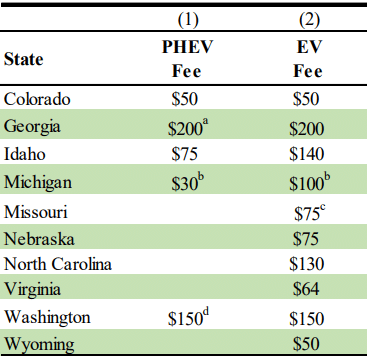
Energy security and environmental concerns have led to a growing emphasis on alternative fuel vehicles. Particularly within the transportation sector, where gasoline consumption accounts for 47% of total U.S. petroleum consumption, there has been a shift to develop, incentivize, and assist in the adoption of vehicles that are not solely fueled by gasoline.¹ However, the…
-
Tax Policies and Alternative Revenue Sources: State Responses to Declining Purchasing Power of Roadway Funding
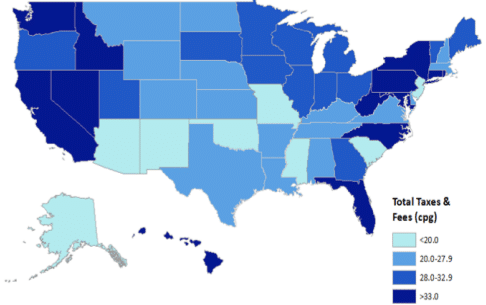
In the past three years, most states have increased or introduced new taxes in order to boost transportation funding. These policy changes are largely in response to the declining purchasing power of traditional transportation funds stemming from gasoline and diesel taxes. This report provides a brief update and overview of roadway funding in Tennessee, with…
-

Why Is Energy Efficiency Such a Hard Sell?
The “energy efficiency gap” refers to consumers forgoing energy efficiency investments that yield a positive return. This report reviews the explanations for the energy efficiency gap and revisits one particular explanation – the role of uncertainty in future energy prices and energy efficiency capital costs. We update the option value analysis of Hassett and Metcalf…
-

Measuring Flood Risk: What Are NYC Residents Willing to Pay for a Flood Protection System?
This policy brief evaluates how willingness to pay (WTP) for a flood protection system varies with exposure to flood risk, using detailed flood maps and parcel-level data to identify households within and just beyond the 100-year flood plain in New York City. The Federal Emergency Management Agency (FEMA) designates the 100-year flood plain as an…
-

The Economic Impact of Open Space on Residential Property Values in Tennessee
Open space covers more than 93% of Tennessee and provides numerous environmental and recreational benefits that are not directly reflected in market prices. This study examines how different types of open space influence nearby residential property values, offering insight into the economic value of conservation and informing land-use and public investment decisions. Results indicate that…
-

How Better Accounting Can More Cheaply Reduce Carbon Emissions
Much of corporate renewable energy carbon accounting today relies on an analytical technique that the Greenhouse Gas Protocol identifies as a significant simplifying assumption. However, a simple example demonstrates that this widely used accounting practice can mismeasure carbon savings by as much as 45 percent. Recent advances in estimating the emissions avoided through renewable energy…
-
Economic Impact of the Proposed Crab Orchard Wind Farm on Cumberland County and Tennessee
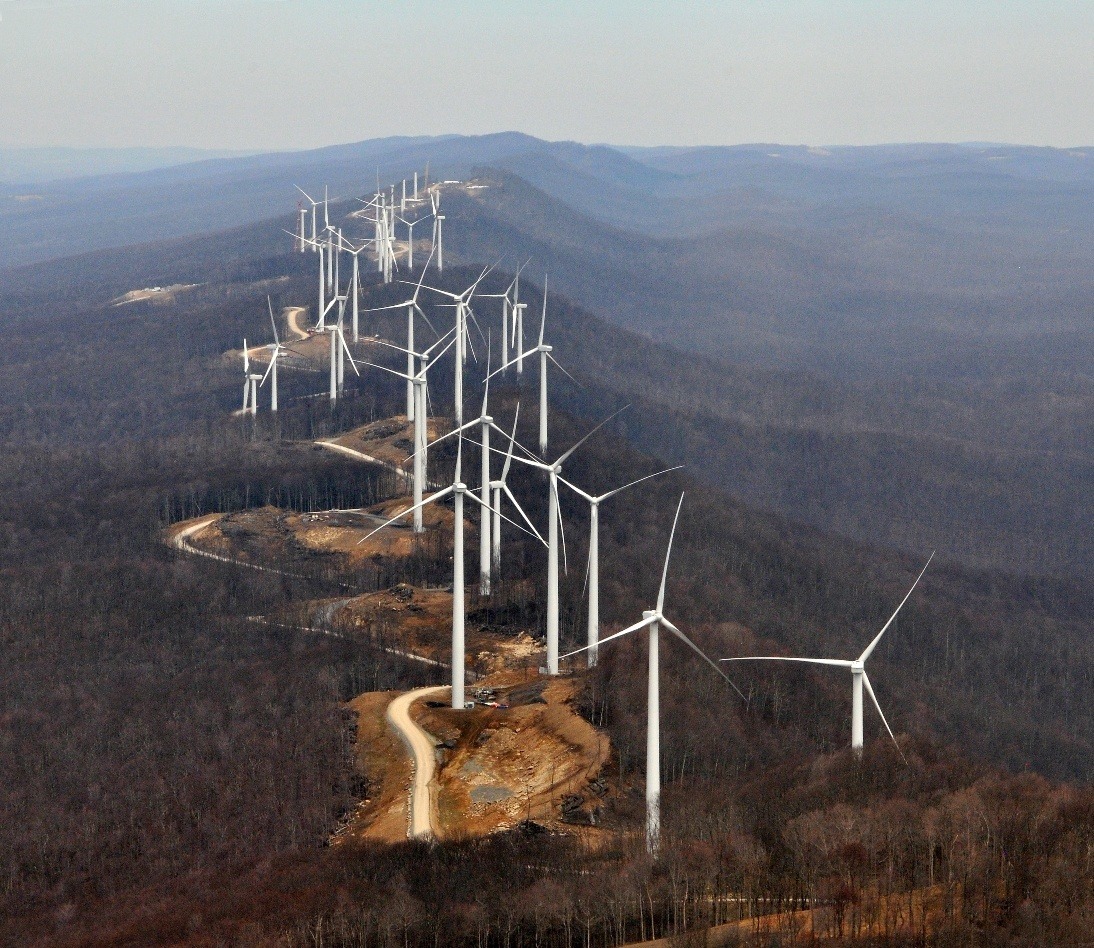
This study estimates the anticipated economic impacts of the proposed Crab Orchard Wind Farm, developed by Crab Orchard Wind, LLC, on Cumberland County and the state of Tennessee. Using economic impact analysis, the report evaluates the effects of both the construction phase and long-term operations on employment, personal income, gross domestic product (GDP), and state…
-

An Energy Scorecard for the American States
The impact of climate change continues unabated, and devastation due to drought, fires, flooding, and severe weather is becoming more pronounced. Crafting policy to combat the effect of climate change remains a challenge due to its connections with energy markets and policy. Addressing this public policy challenge requires an understanding of relationships between energy and…
-

Economic Impact of the U.S. Department of Energy’s Oak Ridge Office of Environmental Management for Fiscal Year 2014
The U.S. Department of Energy’s Oak Ridge Office of Environmental Management (DOE-OREM) plays a significant role in Tennessee’s economy, particularly within Anderson, Roane, and Knox Counties. This study, conducted by the Howard H. Baker Jr. Center for Public Policy, evaluates the economic impacts of DOE-OREM’s activities during fiscal year 2014. Economic impacts are measured in…
-

Expected Economic Impact of Constructing and Operating a New Onsite Disposal Facility in Oak Ridge
The Department of Energy’s Oak Ridge Office of Environmental Management (DOE OREM) is evaluating whether to construct a new on-site disposal facility to facilitate continued cleanup activities on the Oak Ridge Reservation. Design, construction and subsequent operation of the new waste disposal facility will have a significant impact on both the regional and state economies.…