
Publication: CETEP Energy
-

Policies for Promoting Low-Emission Vehicles and Fuels: Lessons from Recent Analyses
This report reviews recent studies of a wide range of policies to promote alternative fuels and vehicles to extract insights about their impacts and effectiveness.
-

New study explores energy and resource impacts of quantum computing
As quantum computing moves closer to large-scale deployment, new research is examining its future energy, water, and material demands.
-

Tennessee Needs to Double Electrical System Scale to Meet Growing Demand
A new analysis of the Tennessee energy landscape highlights a series of emerging policy challenges and opportunities as the state grapples with rapid electrical demand growth.
-

Policy Responses to Rare Earth Element Supply Shocks
The United States’ dependence on foreign sources for REE has been an important topic at the nexus of energy policy, economic policy, and national security for over a decade (Grasso, 2013; Gholz 2014).
-
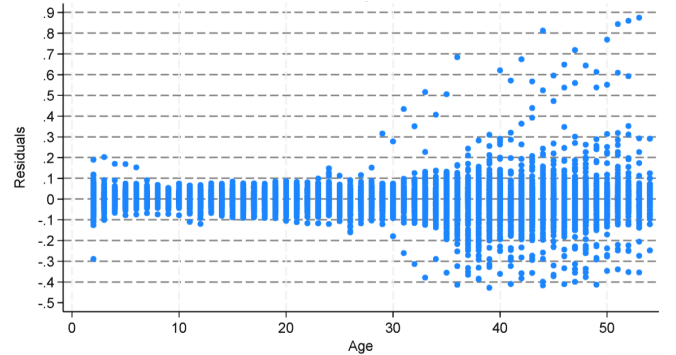
State Differences in Light-Duty Vehicle Survival Rates
Transitioning to zero-tailpipe-emission electric vehicles (EVs) is a complex and multidecadal process of systemic change. This report describes a step towards creating a model of the stock of used light-duty vehicles with vehicle type, age, and state-level detail.
-

Economic Impacts of Construction and Operation of a Small Modular Reactor on Tennessee
An assessment on the “Economic Impacts of Construction and Operation of a Small Modular Reactor in Tennessee.”
-
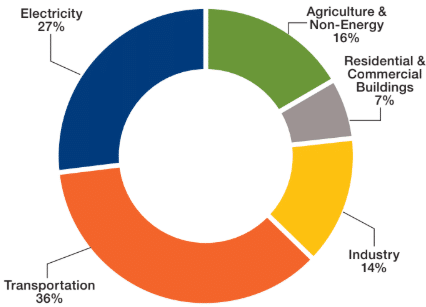
The Valley Pathways Study
The Baker School and the Tennessee Valley Authority launched the Valley Pathways Study in February 2023 to evaluate the existing environmental landscape and explore opportunities to reduce carbon emissions and create a competitive, sustainable economy.
-
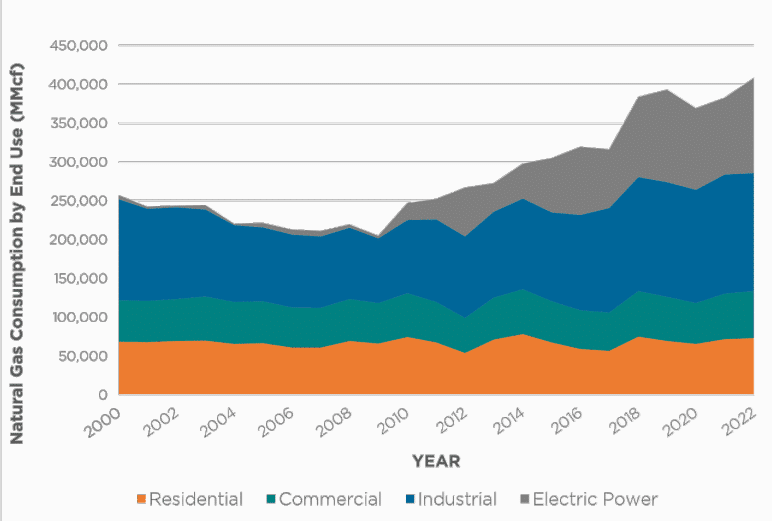
Economic Impact of the Natural Gas Sector on Tennessee
This report, prepared on behalf of the Tennessee Gas Association (TGA), is the first to document the economic impact of the natural gas sector on the Tennessee economy.
-
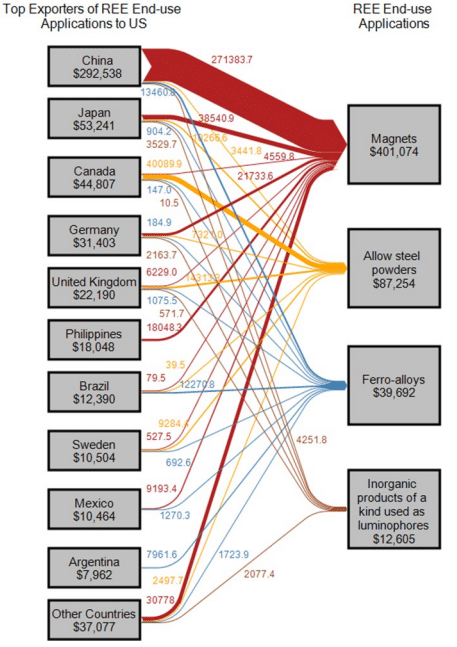
Rare Earth Element Markets
This report examines the economic and strategic risks associated with the United States’ reliance on foreign sources of Rare Earth Elements (REE), particularly China, which currently supplies a significant share of imported REE end-use products. While China’s production capacity allows the US to reduce domestic exposure to environmentally and occupationally harmful chemical processing activities, its…
-

Valley Pathways Study: Building a Competitive, Clean Economy
Read what business and community leaders are saying about this landmark economy-wide study for parts of seven Southeast states which quantifies sources of greenhouse gas emissions by economic sectors and addresses the question – What would it take to reach net-zero emissions by 2050? Read the full report here