
Publications: CETEP Environmental
-
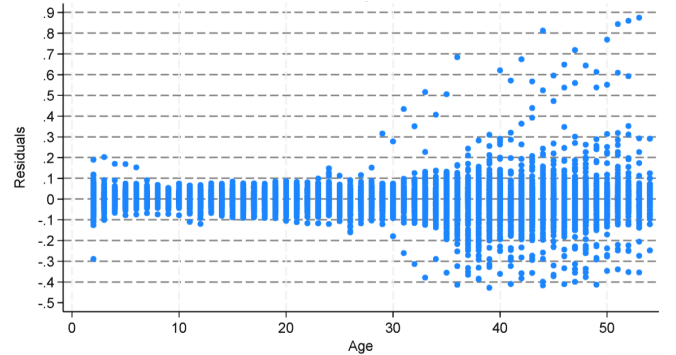
State Differences in Light-Duty Vehicle Survival Rates
Transitioning to zero-tailpipe-emission electric vehicles (EVs) is a complex and multidecadal process of systemic change. This report describes a step towards creating a model of the stock of used light-duty vehicles with vehicle type, age, and state-level detail.
-

Economic Impacts of Construction and Operation of a Small Modular Reactor on Tennessee
An assessment on the “Economic Impacts of Construction and Operation of a Small Modular Reactor in Tennessee.”
-
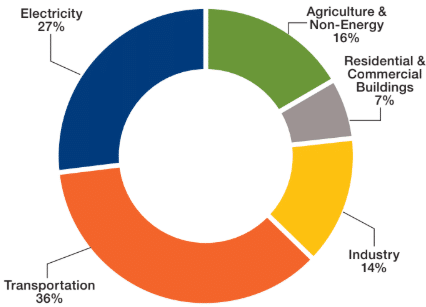
The Valley Pathways Study
The Baker School and the Tennessee Valley Authority launched the Valley Pathways Study in February 2023 to evaluate the existing environmental landscape and explore opportunities to reduce carbon emissions and create a competitive, sustainable economy.
-
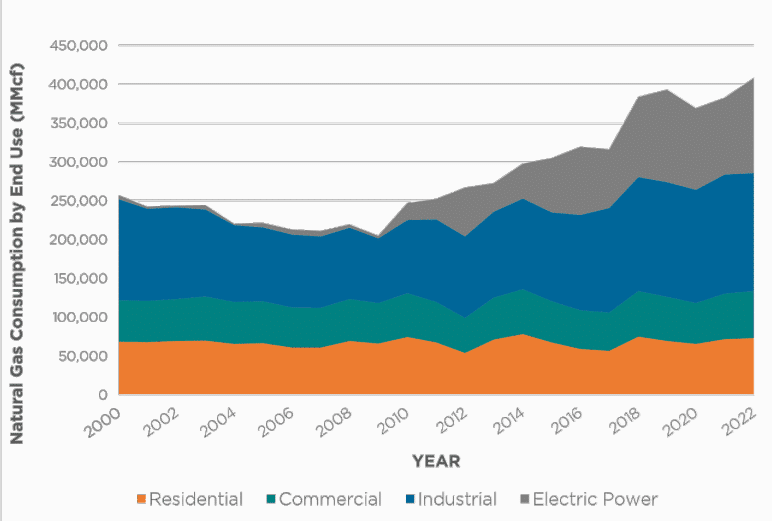
Economic Impact of the Natural Gas Sector on Tennessee
This report, prepared on behalf of the Tennessee Gas Association (TGA), is the first to document the economic impact of the natural gas sector on the Tennessee economy.
-
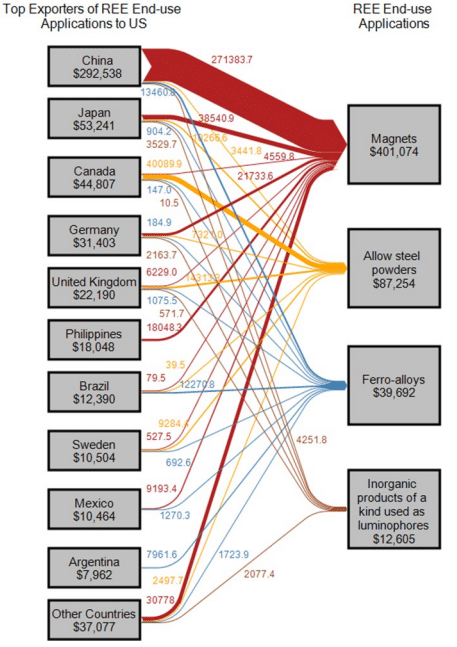
Rare Earth Element Markets
This report examines the economic and strategic risks associated with the United States’ reliance on foreign sources of Rare Earth Elements (REE), particularly China, which currently supplies a significant share of imported REE end-use products. While China’s production capacity allows the US to reduce domestic exposure to environmentally and occupationally harmful chemical processing activities, its…
-

Valley Pathways Study: Building a Competitive, Clean Economy
Read what business and community leaders are saying about this landmark economy-wide study for parts of seven Southeast states which quantifies sources of greenhouse gas emissions by economic sectors and addresses the question – What would it take to reach net-zero emissions by 2050? Read the full report here
-

Economic Benefits of Trail Use at the Knoxville Urban Wilderness
By 2050, it is expected that 68% of the world’s population will live in urban areas.³ As we become more urbanized, the benefits that urban forests provide are becoming more important. They provide economic benefits to the local economy through tourism and recreation as well as supporting physical and mental health and improve urban air…
-

Stock Turnover and the Decarbonization of U.S. Passenger Vehicles
Relevant features that define how quickly the US can decarbonize passenger vehicles include the rate of stock turnover, defined as how quickly new vehicles replace scrapped used vehicles, and emissions from electricity production. Using 2002-2020 passenger vehicle registrations data, we document features suggesting that stock turnover has slowed down over time. We then build a…
-
Valley Pathways Study: Building a Competitive, Clean Economy
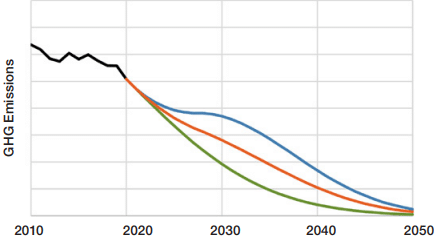
The Tennessee Valley Authority and University of Tennessee Baker Center for Public Policy are partnering on a study to ensure a competitive and clean economy for the Tennessee Valley through 2050. Building on TVA’s reliable, resilient, low-cost, and increasingly clean energy, the study will: Build partnerships across all sectors of the Valley to move to…
-
Statistical Estimation of Trends in Scrappage and Survival of U.S. Light-Duty Vehicles
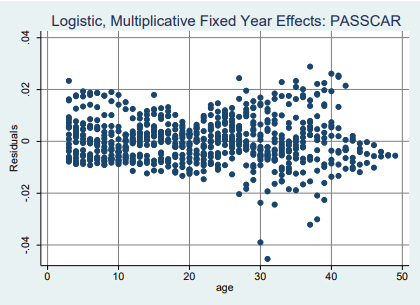
We estimate models of scrappage rates and survival probabilities as a function of vehicle age for U.S. light-duty vehicles. We use counts of vehicles in operation by vehicle type and model year for calendar years 2002-2020, which allows us to estimate scrappage functions for years 2003-2020. We estimate models for three vehicle types: passenger cars,…